
Trusted Information from Official & Government Sources
Study in Japan
Thinking about studying in Japan after Class 12 or after your bachelor’s? Here you’ll find real costs in rupees, the scholarships you can actually win from India, and a month-by-month plan for 2027 and 2028 entry.
Our mission is simple: Make reliable information about studying in Japan accessible to every student, completely free.
Student boarding pass
IND ✈ JPN
PassengerYou, from any state in India
ClassBachelor’s, master’s or PhD
BoardingApril or September intake
Year-one budgetAbout ₹12–13 lakh at a national university
Next gate opensMEXT university track, Nov 2026 to Feb 2027
Seats for IndiaAbout 50 MEXT research awards a year
Study in Japan in numbers
408,069
international students in Japan on 1 May 2025, a record (JASSO). See why they chose Japan
1,685
Indian students in Japan in 2024 (JASSO). That’s roughly 1 in every 200 international students.
810
universities: 85 national, 101 public and 624 private (MEXT, May 2025). Browse them
20
scholarships open to Indian students, tracked with live deadlines. See the list
Our take: So few Indian students is good news for you. Japan wants more of them. There are India-only awards such as the Mitsui & Co. scholarship, the Embassy runs its own MEXT selection for India, and in August 2025 the two governments agreed to grow student and researcher exchange.
Before you start
Is studying in Japan right for you?
Japan is a brilliant fit for some students and a poor fit for others. Be honest with yourself here. It can save you months of applications.
Japan suits you if…
- You want engineering, IT, robotics, materials science or research with real lab time.
- You care about safety, clean cities and trains that run on time.
- You’re happy to learn Japanese alongside an English-taught degree.
- You want strong scholarships and fees far below most US or UK universities.
Think twice if…
- You plan to pay for your degree mainly through part-time work. The 28-hour weekly limit makes that very hard.
- You want a fast route to permanent residency. Japan normally asks for 10 years of residence, though highly skilled professionals can apply sooner.
- You want a job at a Japanese company but never plan to learn Japanese.
- You won’t consider any city except Tokyo.
Route finder
Find your way to study in Japan in three taps
Answer three quick questions. We’ll point you to the path, the scholarships and the guides that fit where you are right now.
Your best route
A fully funded bachelor's: MEXT or Mitsui
Japan offers competitive scholarship opportunities for undergraduate students, including MEXT and Mitsui & Co. These can cover tuition, a monthly stipend and other expenses.
- Explore fully funded undergraduate scholarships.
- Prepare for entrance examinations and interviews.
- Check eligibility and application deadlines.
Your best route
An English-taught bachelor's degree
Several Japanese universities offer undergraduate programmes taught in English. Depending on the institution, you may apply using academic results, English proficiency scores and interviews.
- Explore English-taught university programmes.
- Compare tuition fees and admission requirements.
- Research university scholarships and fee reductions.
Your best route
A Japanese-taught degree through the EJU
Your existing Japanese language knowledge gives you a useful foundation for Japanese-taught university programmes. Many institutions require stronger Japanese proficiency and may use the EJU examination for admissions.
- Work towards JLPT N2 or the required proficiency level.
- Prepare for the EJU where required.
- Explore national and public universities.
Your best route
Language school first, then a degree
A Japanese language school can help you develop the language skills needed for further education. You can subsequently explore Japanese-taught universities or specialised training colleges, subject to their admission requirements.
- Compare Japanese language schools.
- Build towards N2-level proficiency.
- Explore degree and specialised college pathways.
Your best route
A master's or PhD in Japan
Japan offers graduate and research programmes, including options taught in English. The MEXT Research Scholarship is one funding opportunity for eligible postgraduate applicants.
- Shortlist universities and research programmes.
- Explore MEXT Research and other scholarships.
- Prepare a strong study or research plan.
Your best route
A career-focused master's or MBA in Japan
Working professionals can explore MBA, specialised master's and professional development programmes in Japan. Some scholarships support eligible candidates with relevant work experience.
- Explore MBA and professional master's programmes.
- Check work-experience requirements.
- Compare funding and career opportunities.
Education in Japan
Ways to study in Japan: pick your path first
Your path decides almost everything else: the language you study in, the exams you take, the scholarships you can apply for and when you start.
Bachelor’s degree
Taught in English, Japanese or both. English-taught degrees usually ask for IELTS 5.5–6 or TOEFL iBT 71–80. Japanese-taught degrees usually ask for JLPT N2 or N1 and the EJU.
Master’s and PhD
Japan’s strongest option for Indian students. Many labs work in English. You’ll usually need a research plan and a supervisor who’s willing to take you on.
Japanese language school
A stepping stone to a Japanese-taught degree or a job. Schools usually ask for JLPT N5 or about 150 hours of study. Aim to reach N2 before you finish.
KOSEN and specialised colleges
Hands-on technical and career courses, taught in Japanese. MEXT funds both routes, including a full year of language training before you start.
Compare the paths side by side
| Path | Teaching language | Main tests from India | Funding to check | Usual intake |
|---|---|---|---|---|
| Bachelor’s, English-taught | English | Class 12 marks, IELTS or TOEFL, sometimes SAT | Mitsui India, tuition reduction | Mostly September or October |
| Bachelor’s, Japanese-taught | Japanese | JLPT N2 or N1, EJU | MEXT Undergraduate, JASSO Honors | Mostly April |
| Master’s or PhD | Often English | IELTS or TOEFL, research plan, interview | MEXT Research, Honjo, ADB–Japan | April or September/October |
| Language school | Japanese | JLPT N5 level or about 150 study hours | Limited, mostly after arrival | April and October, some in January and July |
| KOSEN or specialised college | Japanese | MEXT written exam, or JLPT N2 | MEXT KOSEN, MEXT Specialised College | April |
Swipe the table sideways to see every column.
From our research desk
What’s changing for 2027 entry
Most study-in-Japan guides online are a year or two out of date. These are the changes we’re tracking that affect Indian students applying right now.
UTokyo replaces PEAK with a new College of Design
PEAK took its last students in autumn 2026. The University of Tokyo’s all-English College of Design, a five-year bachelor’s and master’s, is due to open in September 2027.
Tohoku opens Gateway College
Tohoku’s FGL programme stopped recruiting after the 2026 intake. Its replacement, Gateway College, starts in 2027 and teaches mainly in English. Don’t apply using old FGL pages.
Fee waivers are moving towards merit
Kyoto, Kyushu and Tohoku are shifting tuition reduction from financial need to merit, so your entrance score can now cut your fees. Tsukuba is also revising its international tuition from 2027.
Visa and living costs went up
Japan raised visa issuance fees in July 2026, the first change since 1978, and Tokyo’s minimum wage rose to ¥1,280 an hour in October 2026. Check the current visa fee for Indian passport holders before you finalise your budget.
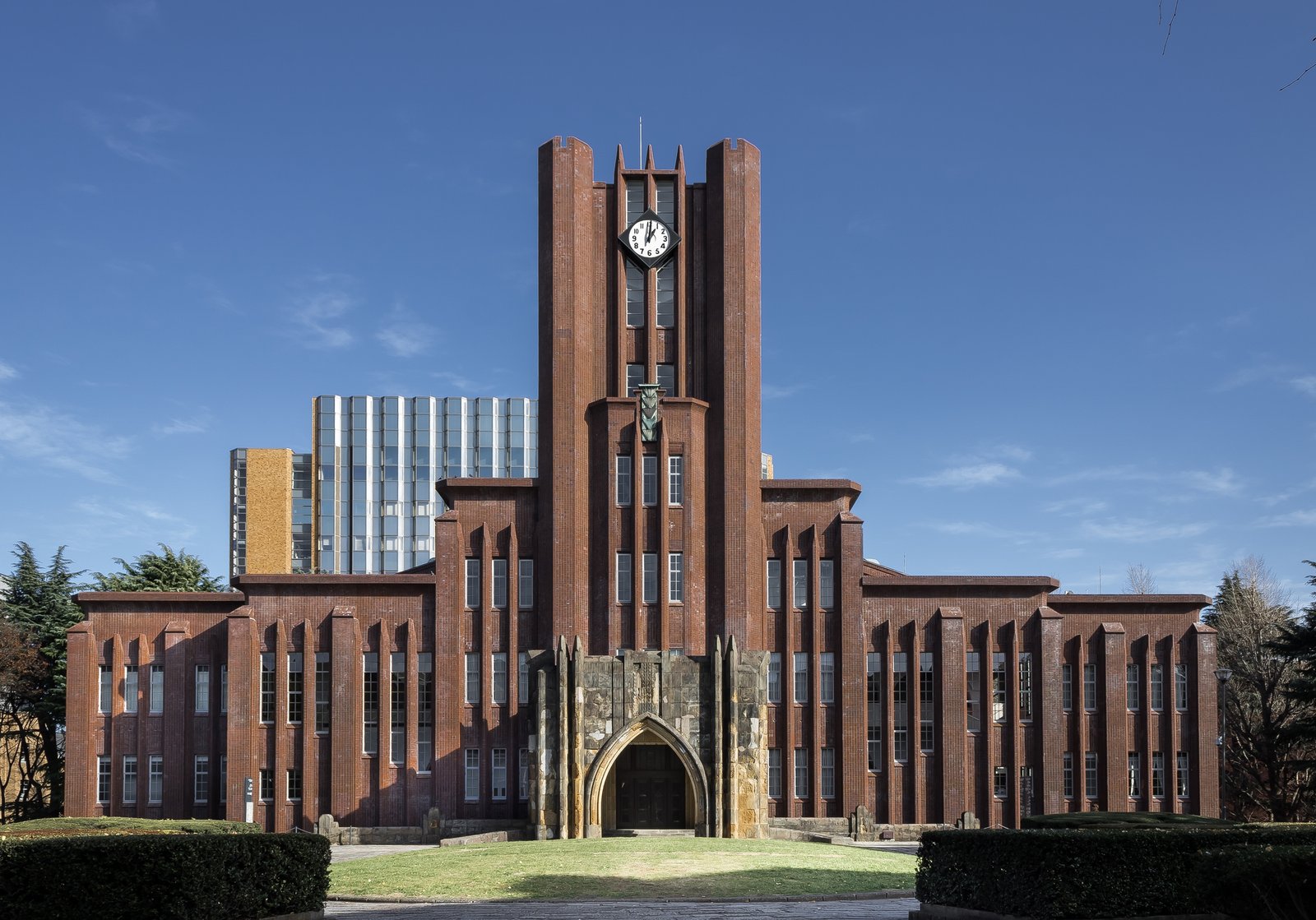
Our take: A brand-new programme’s first one or two intakes can be less crowded, simply because fewer applicants know it exists. If UTokyo’s College of Design or Tohoku’s Gateway College fits your subject, read their 2027 application guides closely and apply early.
Cost of studying in Japan
How much does it cost to study in Japan from India?
Short answer: plan for about ₹12–13 lakh for your first year at a national university, including living costs. A private English-taught university usually takes that to ₹17 lakh or more. Scholarships can bring this down sharply, and a few cover almost everything.
¥105,000 (≈ ₹62,000)
The national average for international students, not counting study costs (JASSO). Average rent is about ¥41,000 a month, rising to about ¥57,000 in Tokyo.
¥817,800 (≈ ₹4.8 lakh)
At a national university: ¥535,800 tuition plus a one-time ¥282,000 admission fee. Local public universities average about ¥910,000, private ones about ¥1.3 million, and private medical courses about ¥3.8 million.
Up to 4–6 months’ rent
A private apartment often needs deposit, key money and agency fees up front. University dorms keep this low, which is why we suggest one for your first year.
First-year budget calculator
Change the options to see your first year in yen and rupees.
Estimated first year
₹–
¥–
“Other big city” means places like Osaka, Nagoya or Fukuoka. JASSO Honors pays ¥48,000 a month. MEXT pays your fees, your flight and ¥117,000 a month for undergraduates. Estimates use official averages from MEXT and JASSO and typical rents. Part-time income is left out on purpose, because universities and immigration expect you to show funds without it. Always confirm fees with your university.
Our take: Don’t count part-time pay in your budget. Students who work earn about ¥81,000 (≈ ₹48,000) a month on average, which is less than the average living cost, and breaking the 28-hour weekly limit can put your visa at risk. Treat part-time work as savings and experience, not survival.
Funding
Scholarships to study in Japan for Indian students
Funding changes the whole plan. Some awards pay your fees, your flight and a monthly stipend. These are the ones Indian students should look at first.
¥143,000–¥145,000 a month
Plus full tuition and a return flight. For master’s, PhD and research students under 35, with about 50 awards for India each year.
¥117,000 a month
Plus full tuition and a return flight. After Class 12, for students under 25. Includes a year of Japanese. Around 12 places for India.
¥145,000 a month
Plus tuition and flights. After Class 12: 1.5 years of Japanese, then a four-year degree. The window is only about two weeks long, in February.
30%, 50% or 100% off
The biggest pool of money for international students, and the most ignored. Ask every university about it before you apply.
Deadline radar: the next windows to watch
Dates marked “expected” follow last year’s cycle. Always confirm on the provider’s official page.
- 1 Nov 2026 – 28 Feb 2027MEXT, university recommendationExpected, varies by university
- 1 Nov 2026 – 31 Mar 2027ADB–Japan ScholarshipExpected
- 18 Jan – 26 Feb 2027Joint Japan/World Bank, window 1Announced
- 10 – 22 Feb 2027Mitsui & Co. Scholarship for IndiaExpected
- 20 Apr – 15 May 2027MEXT Research, Embassy trackExpected
- 23 Apr – 25 May 2027MEXT Undergraduate, KOSEN and Specialised CollegeExpected
- 1 – 31 Oct 2027Rotary Yoneyama, pre-arrival trackEvery October
Our take: Apply for MEXT through both doors. If the Embassy track in spring doesn’t work out, the university recommendation track in winter is a real second chance at the same stipend. And remember: no genuine Japanese scholarship charges an application fee. If anyone asks you to pay, walk away.
How to apply
How to study in Japan from India: a month-by-month plan
This plan works backwards from an autumn 2027 or April 2028 start. Reading this later? Shift every step by the same number of months.
- Now to December 2026: shortlist and book your testsPick 6 to 10 programmes, not just universities. Book IELTS or TOEFL. Going for a research degree? Start reading papers from labs you like. Compare English-taught programmes
- November 2026 to February 2027: early deadlinesThe MEXT university recommendation track runs in this window, and many English-taught programmes starting in autumn 2027 close around now, so check each one. Email possible supervisors 6 to 9 months before you want to start. How the university track works
- February 2027: the Mitsui windowIt’s open for only about 13 days. Set a reminder for late January. Mitsui eligibility and tests
- March to April 2027: build your documentsTranscripts, your degree or Class 12 certificate, passport, two recommendation letters, a statement of purpose and, for research, a two-page research plan. Get certified copies made early.
- April to May 2027: MEXT Embassy applicationsThe research track is by email. The undergraduate, KOSEN and college tracks are by post to the Embassy or to the consulate that covers your state. Full MEXT 2027 guide for India
- June to July 2027: exams, interviews and the JLPTMEXT written exams and interviews happen now. The JLPT runs in July and again in December, so register months ahead.
- After admission: Certificate of Eligibility and visaYour university applies for your Certificate of Eligibility (COE) in Japan. Once it arrives, apply for your student visa through the Embassy or consulate of Japan in India. Allow one to three months.
- Arrival: your first 14 daysCollect your residence card at the airport and ask there for part-time work permission. Then register your address at the city office within 14 days and join National Health Insurance. The Immigration Services Agency of Japan has the official rules.
Courses
Popular courses to study in Japan, and where they lead
Pick a course with real demand on the other side. These fields line up with Japan’s biggest skill gaps.
Computer science, IT and AI
Japan could be short of up to 790,000 IT professionals by 2030, according to METI. Many tech teams already work in English.
Engineering and robotics
Mechanical, electrical, automotive and robotics engineering. National research universities such as Tohoku, Kyushu and Nagoya run English-taught options.
Semiconductors and materials
New chip plants, such as TSMC’s in Kumamoto and Rapidus in Hokkaido, need process and equipment engineers.
Business and management
MBA, economics and international business. English-taught choices are widest at private universities such as Waseda, Keio, Sophia and APU.
Design, architecture and animation
Japan is a world leader in all three. Many design and animation courses are taught in Japanese, so plan your language study early.
Medicine and healthcare
Most medical degrees are taught in Japanese and cost far more at private universities. If you plan to practise in India, check the NMC’s rules on foreign medical degrees, including teaching language, before you apply.
After graduation
Can you work in Japan after you graduate?
Yes, and Japan wants you to. The government aims to raise the share of international graduates who find jobs in Japan from 48% to 60% by 2033. The job market just runs on its own calendar.
Start job hunting in year three
Japanese companies hire new graduates in one big intake each April. Job hunting, called shūkatsu, starts about 18 months before you graduate.
Up to a year to find a job
No offer by graduation? You can switch to a job-hunting status for up to one year and keep working part-time with permission.
Japanese multiplies your options
About 86% of major employers interview international students fully in Japanese. N2 is the usual bar for office jobs. Starting pay is around ¥250,000 (≈ ₹1.5 lakh) a month.
Our take: Even if your degree is in English, take Japanese classes from your first semester. If you reach N2 by your third year, you’ll be ready when job hunting starts instead of scrambling to catch up.
Student life
Student life in Japan for Indian students
Your university is only part of the story. These everyday things are worth knowing before you land.
Vegetarian? Learn to spot dashi
Many soups and sauces that look vegetarian use dashi, a fish stock. Learn the kanji for meat (肉) and fish (魚), and use an app like HappyCow. Big cities have plenty of Indian restaurants and grocery shops.
You won’t be the only Indian
Tokyo’s Nishi-Kasai area is known for its Indian community, and MOSAI connects Indian MEXT alumni across Japan. Ask your university if it has an Indian student association.
Pack for real winters
Hokkaido and northern Japan get heavy snow, and even Tokyo drops close to freezing in January. Summers are hot and very humid, so you need clothes for both.
Part-time work: 28 hours a week
That’s the limit during term, rising to 8 hours a day in long holidays. You need permission first, which you can get at the airport when you arrive.
Myth or fact
Six study-in-Japan myths, busted
You’ll hear all of these from friends, relatives and agents. Tap each one to see what’s actually true.
Myth: You need to speak Japanese to study in Japan.
Fact: Many degrees are taught entirely in English, especially at master’s and PhD level. Japanese matters for daily life and for jobs at Japanese companies, so start learning anyway, but it rarely stops you getting in.
Myth: Japan is too expensive for Indian families.
Fact: Tuition at most national universities is about ¥535,800 a year (≈ ₹3.2 lakh), far below typical US or UK fees, and MEXT covers fees completely. Living costs are the bigger number, so choose your city with care.
Myth: Part-time work will pay for my fees.
Fact: You can work 28 hours a week during term. Students who work earn about ¥81,000 a month on average, which doesn’t even cover average living costs, let alone fees.
Myth: Only Tokyo universities are worth it.
Fact: Tohoku, Kyushu, Hokkaido, Nagoya and Osaka are major national research universities with English programmes. Average rent outside Tokyo is also well below Tokyo’s.
Myth: You need an agent to win MEXT.
Fact: You apply directly to the Embassy of Japan or to a university, and it’s free. Nobody can guarantee you a MEXT seat, so ignore anyone selling one.
Myth: You have to leave Japan right after graduating.
Fact: Graduates can stay for up to a year to look for work, and Japan’s own target is for 60% of international graduates to find jobs there by 2033.
Common mistakes Indian applicants make
- Applying late. Schools, scholarships and visas all run on fixed calendars, and some windows last under two weeks.
- Choosing a university by name instead of by programme. The same university can have one English degree and twenty Japanese ones.
- Assuming an English-taught degree means you’ll never need Japanese.
- Budgeting around part-time income instead of savings or a scholarship.
- Following old pages. Programmes such as UTokyo’s PEAK and Tohoku’s FGL are closed to new students.
- Paying an agent for a scholarship application. Genuine Japanese scholarships are free to apply for.
Official help for Indian students
You don’t need a paid agent. These organisations give free, reliable help, and we check our own figures against them.
JASSO and Study in Japan
Japan’s government-approved information site, run by JASSO, with school search, fee data and scholarship listings.
Embassy of Japan in India
The Embassy in New Delhi and consulates in Chennai, Kolkata, Mumbai and Bengaluru run MEXT selection for India and handle student visas.
University of Tokyo India Office
Runs information sessions and events that help Indian students connect with Japanese higher education, not only with UTokyo.
MOSAI
The Monbusho Scholars Association of India, made up of Indian MEXT alumni. A good place to ask real graduates about labs and life in Japan.
Keep reading
Guides to read next
MEXT Scholarship 2027 for Indian students
Eligibility, exam pattern, dates and how to apply through the Embassy.
Mitsui & Co. Scholarship 2027
A fully funded bachelor’s in Japan, only for Indian students.
Top 5 scholarships in Japan for Indian students
The five awards worth your time first, compared side by side.
Scholarships for all international students
Government, foundation and university awards open to every nationality.
How to apply to Japan from India, step by step
Documents, exams and the visa process in the order you’ll actually do them.
Why Japan: research, economy and careers
Where Japan is investing, and what that means for your field of study.
FAQ
Study in Japan: questions Indian students ask
How much does it cost to study in Japan for Indian students?
Plan for about ₹12–13 lakh for your first year at a national university, including average living costs of about ¥105,000 (≈ ₹62,000) a month. A private English-taught university usually takes that to ₹17 lakh or more. From the second year, costs drop because the one-time admission fee is gone. Try the budget calculator for your own numbers.
Can I study in Japan without knowing Japanese?
Yes. Many Japanese universities offer full degrees in English, and the choice is widest at master’s and PhD level. You’ll still want basic Japanese for daily life, and N2 if you plan to work for a Japanese company.
Can I study in Japan after 12th?
Yes. With 12 years of schooling you can apply for English-taught bachelor’s degrees, the MEXT Undergraduate scholarship (if you’re under 25) or the Mitsui India scholarship. Another route is a language school first, then a Japanese-taught degree.
Is IELTS compulsory to study in Japan?
No single test is compulsory everywhere. As a rough guide, English-taught bachelor’s degrees ask for IELTS 5.5–6 or TOEFL iBT 71–80, and master’s programmes ask for around IELTS 6. Some universities waive the test if you studied in English medium, so ask before you book.
When are the intakes in Japan?
April is the main intake, especially for Japanese-taught degrees. Many English-taught and graduate programmes start in September or October. Start preparing 10 to 15 months before you want to begin.
Can international students work part-time in Japan?
Yes, with permission. The limit is 28 hours a week during term and up to 8 hours a day during long holidays. Pay must be at least the local minimum wage, which is ¥1,280 an hour in Tokyo from October 2026.
Can I stay and work in Japan after my degree?
Yes. Most graduates move to a work visa such as Engineer/Specialist in Humanities/International Services. If you haven’t found a job by graduation, you can stay for up to a year to keep looking.
What marks do I need for the MEXT scholarship?
For the research track, the Embassy in India usually asks for 70% or more in your last degree (65% for humanities and social sciences), and you must be under 35. The undergraduate track is for students under 25 and includes written tests.
Is Japan safe for Indian students?
Japan is widely considered one of the safest countries in the world, with low crime and reliable public services. The main thing to prepare for is natural hazards, so learn your university’s earthquake drill in your first week.
Do I need an agent to study in Japan?
No. You can apply directly to universities and to the Embassy for MEXT. Genuine Japanese scholarships never charge an application fee.
Turn “Japan someday” into an actual plan
Do one thing today: shortlist three programmes, note one scholarship deadline, or work out your budget.
About StudyinJapan.info
StudyinJapan.info is a student-focused information platform that makes studying in Japan easier to explore and understand. From scholarships and universities to admissions, eligibility, and student life, we bring valuable information and resources together in one place to help students make informed decisions.
How we check our information
We use primary sources: MEXT, JASSO’s Study in Japan portal, university admission guides, the Embassy of Japan in India and Japan’s Immigration Services Agency. Each page shows when it was last reviewed. Spotted something out of date? Email us at opportunities@studyinjapan.info.
Last reviewed 31 October 2026.